What Is HDR Real Estate Photography — And Why Does It Matter for Your Listing?
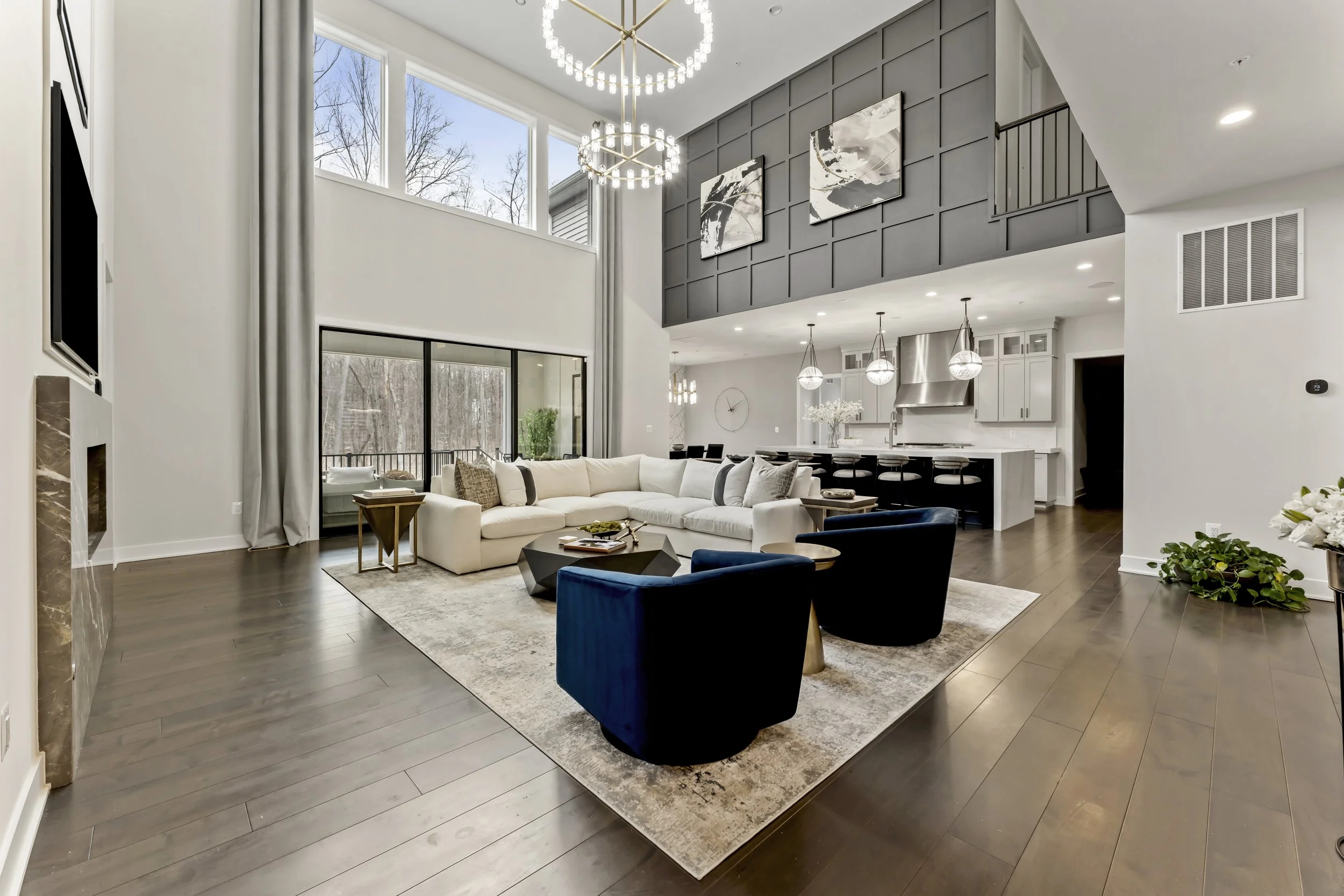
Walk into any well-lit living room and you immediately see bright windows on one wall and shaded corners on another. Your eyes adjust automatically. A camera does not.
Without a technique called HDR — High Dynamic Range — a listing photo has to choose: expose for the bright windows and lose all detail in the dark corners, or expose for the interior and blow out the windows to solid white. Either way, the photo looks nothing like the room buyers will walk into.
HDR solves this. Here is how it works and why it matters for DC metro listings.
How HDR Photography Works
HDR real estate photography is a capture and editing process that blends multiple exposures of the same shot. At a typical Cove Media shoot, each frame is captured at three or more exposure levels:
Underexposed: captures detail in bright windows and light sources
Correctly exposed: captures the mid-tones and most of the room
Overexposed: captures detail in dark corners and shadowed areas
Those frames are then merged in post-processing — either through automated blending or manual editing — to produce a single image that shows the full range of light in the scene. The result is a bright, balanced photo where both the view through the windows and the interior of the room are visible and sharp.
Why It Matters for DC Metro Listings
The DC metro area presents a specific set of HDR challenges that make the technique especially important here:
Older Homes with Smaller Windows
Much of the housing stock in Northern Virginia, DC, and Maryland was built in eras when windows were smaller. Row homes in Alexandria, colonials in Fairfax County, and split-levels in Bethesda all tend to have lower natural light ratios inside. Without HDR, interior shots in these homes go dark. With it, rooms look as bright and inviting as they do on a sunny showing day.
New Construction with Floor-to-Ceiling Glass
On the other end of the spectrum, new construction throughout Loudoun County, Tysons, and the NoVA corridor frequently features large windows or floor-to-ceiling glass walls. These create extreme contrast situations where windows are massively brighter than interiors. HDR is the only way to capture both.
MLS and Buyer Expectations
On Zillow, Realtor.com, and MRIS, buyers are comparing your listing against hundreds of others in a matter of seconds. Dark photos, blown-out windows, and unbalanced lighting all signal low-quality marketing — and move buyers on to the next property. HDR is not optional for competitive DC metro listings. It is the baseline expectation.
HDR vs. Flash vs. Natural Light: What Is the Difference?
Photographers use different techniques to solve the same lighting problem. Here is a quick breakdown:
HDR (Bracketed Exposure Blending)
Multiple exposures merged in editing. Produces natural-looking light that matches how the eye perceives a room. No additional lighting equipment needed on-site. Best for occupied, furnished homes where setup time is limited.
Flash/Strobe
An on-camera or off-camera flash evens out the exposure in a single shot. Can produce very clean, professional results in the right hands, but requires more equipment and setup. Some photographers combine flash with HDR for maximum control.
Natural Light Only
Works well in certain conditions — overcast days, north-facing rooms, homes with very balanced lighting. Rarely adequate on its own for DC metro homes, where exposure variance is high in most interior situations.
Cove Media photographers use HDR techniques for every interior shoot, with flash added where room conditions warrant it. The goal is always a photo that looks like the room — bright, balanced, and true to life.
What Good HDR Looks Like — and What to Watch For
HDR done well is invisible. The photo looks like a great photo. HDR done poorly is easy to spot:
Halos around window frames or furniture edges — a sign of over-processing
Oversaturated colors that make walls look neon
Muddy, flat tones where mid-range contrast has been completely lost
Ghosting or double images where movement (tree branches, curtains) was captured differently across frames
When reviewing listing photography, look for photos where windows are visible but not blown out, corners are lit but not flat, and the overall look is natural and bright — not artificially enhanced.
Book HDR Real Estate Photography in the DC Metro Area
Cove Media shoots include HDR photography as standard on every interior. No upcharges, no add-on required. Listing photos are delivered within 24 hours of your shoot, edited and ready for MLS upload.
See full pricing at cove.media/pricing or book your shoot at cove.media.
Cove Media Service Area
Cove Media provides professional real estate photography, video, drone, Matterport 3D virtual tours, virtual staging, and floor plans throughout the Washington DC metro area, including:
Northern Virginia: Arlington, Alexandria, McLean, Tysons, Vienna, Falls Church, Fairfax, Reston, Herndon, Ashburn, Leesburg, Centreville, Chantilly, Manassas, Woodbridge, Lorton, Springfield
Maryland: Bethesda, Chevy Chase, Silver Spring, Rockville, Gaithersburg, Potomac, Germantown, College Park, Bowie, Annapolis
Washington, DC
Book your shoot or explore package pricing at cove.media or cove.media/pricing.